This surveillance platform was established in 2005, and will continue into the future based on availability of funds
Lead Researchers
Prof. Kariuki Njenga – P.I, WSU
Godfrey Bigogo – P.I, KEMRI
Elizabeth Hunsperger -P.I, CDC
Patrick Munywoki – Activity manager, CDC
Isaac Ngere – Technical lead, WSU
Study Participants
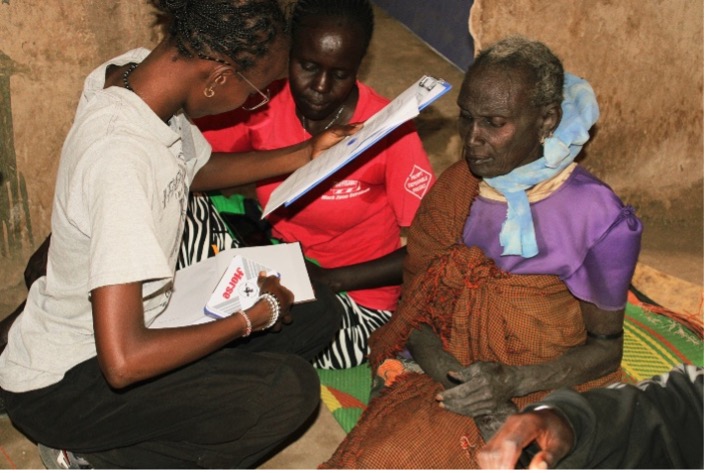
All residents of the households within the defined catchment areas in Asembo,Kiberaand Isioloare eligible for enrolment into the PBIDS platform.
Background & Rationale
The greatest burden of infectious diseases occurs among populations living in developing countries. The leading causes of morbidity and mortality in children <5 years in sub-Saharan Africa are respiratory infections, responsible for 17% of childhood deaths in 2011 followed by malaria and diarrhea at 14% and 11% respectively. Accurate information on the highest burden infectious disease syndromes helps to enable the Ministry of Health (MoH) and public health policy decision makers to set current priorities for preventive and treatment programs. In Kenya, accurate data on rates of infectious disease are limited.
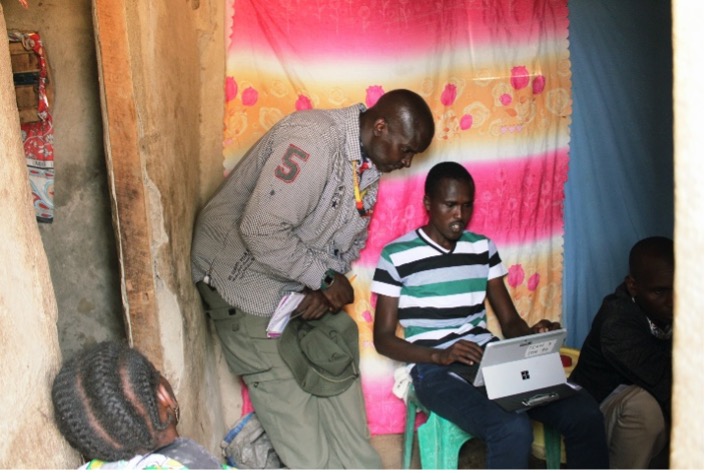
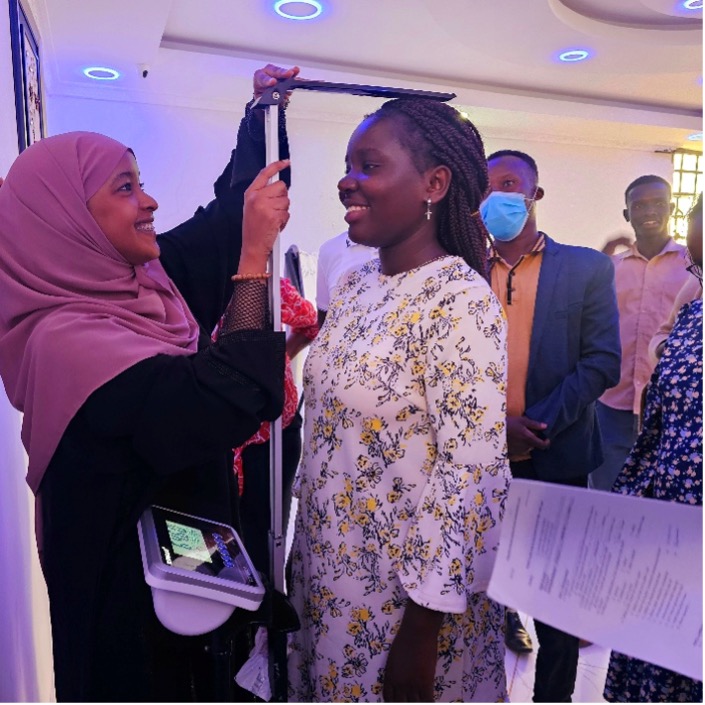
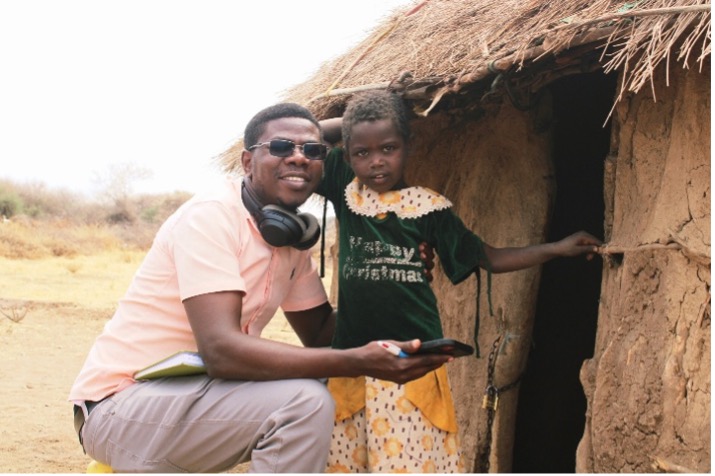
The Kenya Medical Research Institute (KEMRI) in collaboration with the US Centers for Disease Control and Prevention (CDC) have set up a population-based infectious disease surveillance (PBIDS) in Asembo, in rural western Kenya, Kibera informal settlement in Nairobi, and Isiolo, an arid county in northern Kenya, with a key objective of establishing burden of key syndromes as well as defining the aetiologies of these syndromes
Study Objectives
Objective I
To monitor the burden of common and (re)emerging infectious diseases in Asembo, Siaya and Kibera, Nairobi, Kenya. a. To determine intermediate and long-term outcomes of SARS-CoV-2 infections in Asembo, Siaya County and Kibera, Nairobi County, Kenya
Objective II
To determine the aetiology of common and (re)emerging infectious diseases over time in Asembo, Siaya and Kibera, Nairobi, Kenya.
Objective III
To assess impact of existing and new public health interventions such as vaccines, sanitation programmes on burden of the target infectious diseases in Asembo, Siaya and Kibera, Nairobi, Kenya
Objective IV
To determine intermediate and long-term outcomes of SARS-CoV-2 infections in Asembo, Siaya County and Kibera, Nairobi County, Kenya. a. Characterize knowledge, attitude, and practices towards mitigation strategies for SARS-CoV-2 transmission over time in Asembo, Siaya and Kibera, Nairobi, Kenya
Methodology Overview
This is a longitudinal community and hospital-based surveillance that will encompass six surveillance approaches: