Strengthening Capacity for Molecular Surveillance and Outbreak Response for Enteric Diseases in Kenya
Enteric WASH Component
Lead Researchers
Dr. Isaac Ngere- PI, WSU
Evelyn Makena – Technical Advisor
Study Participants
County Team from the department of Public Health
Sub-County teams from the department of Public Health
Health Care Workers
Health care Facility Cleaners
Toilet Operators
Toilet Cleaners
Study Duration
2023 – 2025
Background & Rationale
The Enteric-WASH Project explores innovative approaches to strengthen support systems, enhance preparedness, and improve outbreak response activities related to enteric diseases.
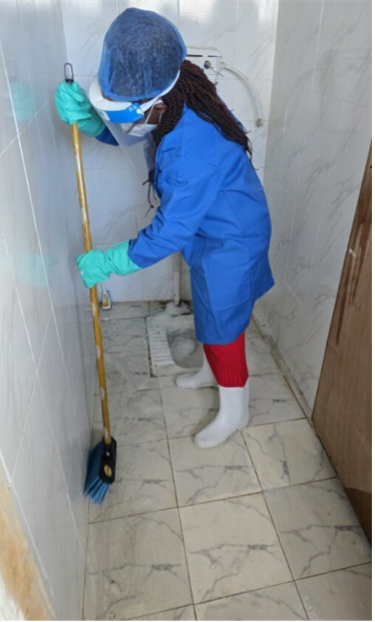
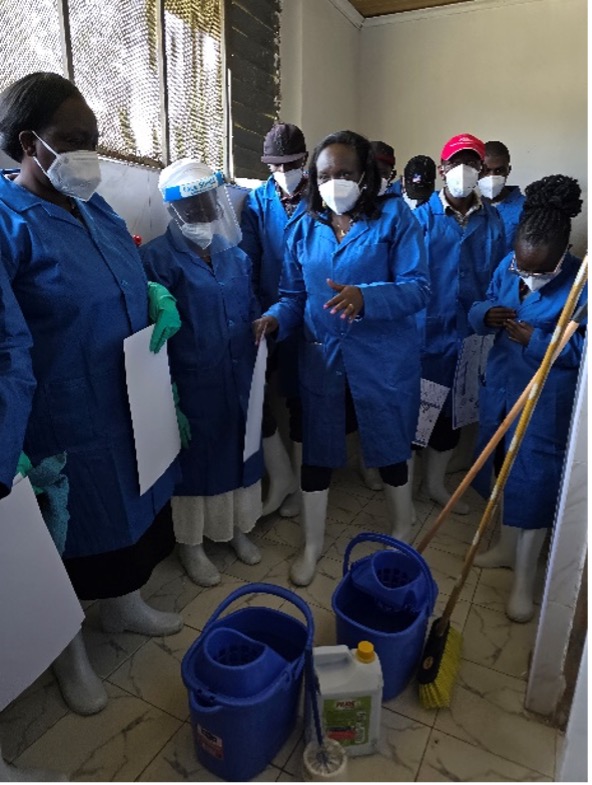
The PSF management pilot focuses on developing and implementing a comprehensive Standard Operating Procedures (SOP) guide for cleaning and disinfection. It also includes supportive supervision for environmental hygiene in public sanitation facilities, delivered through the public health system.
The onsite chlorine production project aim to pilot and cale up the increase supply and use of chlorine disinfect for environmental cleaning in HCFs.
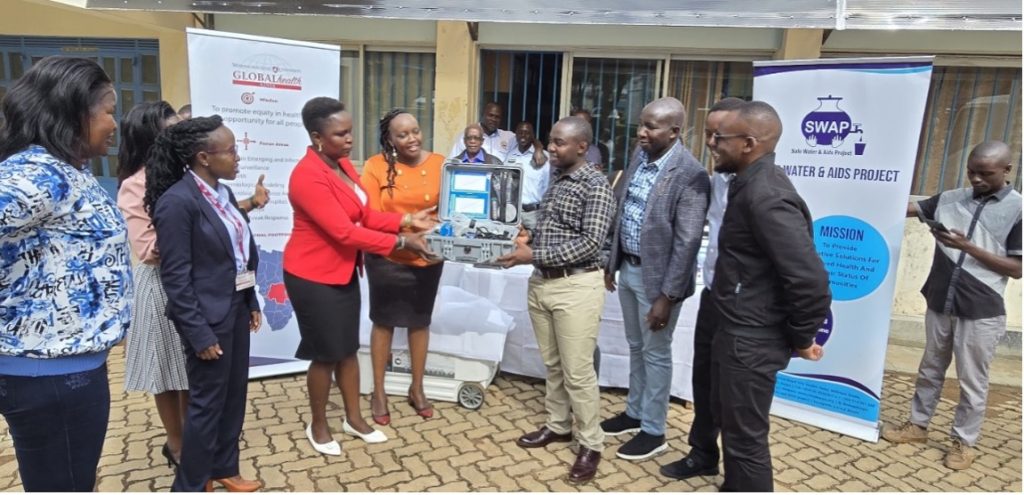
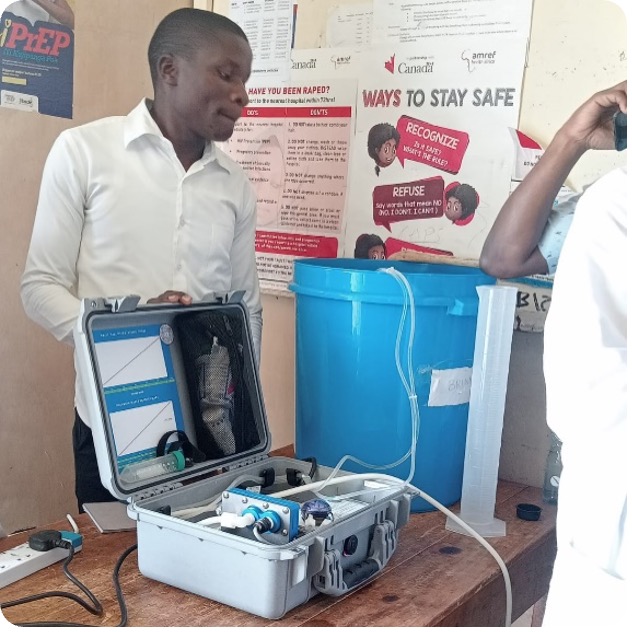
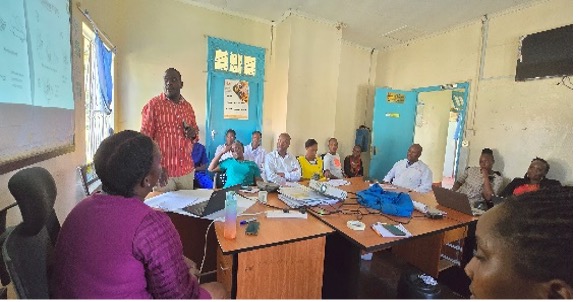
The technology involves production of 0.5% chlorine using STREAM disinfectant generators. Additional project activities include training of healthcare facility staff on environmental cleaning and disinfection procedures in selected Level 4 and Level 5 healthcare facilities.
As part of this initiative, WSU implemented two pilot WASH studies:
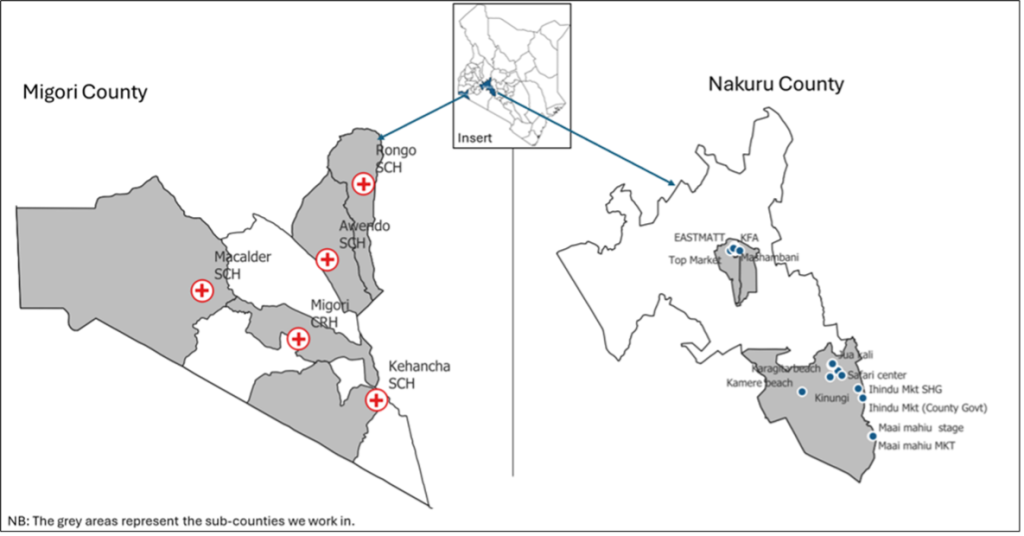
Public Sanitation Facilities (PSF) Management in Nakuru County
Onsite Chlorine Production in healthcare settings in Migori County
Study Objectives
Objective I
Assess the scalability of supportive supervision training models to enhance environmental cleaning in public sanitation facilities
Objective II
Assess key performance indicators of supportive supervision trainingmodelimplemented by county public health department
Objective III
To assess the cost-effectiveness, acceptability, suitability, and sustainability of STREAM devices at healthcare facilities in Migori County, Kenya
Methodology Overview
Both pilot studies involved baseline and follow-up evaluation designs to assess the frequency of outcomes before and after implementation of the interventions.